

Algaecides
Professional Algae Control | Biologist-Led Solutions
Pond Pro offers algaecides for various water applications, including PolyPro, Polydex, and our own NSF Certified algaecide, ProClear. Engineered for the Canadian climate, ProClear is specifically designed for effective algae control in lagoons, retention ponds, dugouts, and fish ponds. Whether you are protecting a private estate legacy or managing municipal water, trust Pond Pro for proven solutions to keep your water bodies clean and algae-free.
There are no products listed under this category.
Common Questions About Pond Algae
Algae is more than a cosmetic issue. It can affect water clarity, oxygen levels, fish health, pets, swimming safety, and the long-term value of your pond.
1. What causes algae to grow in a pond?
Algae growth is mainly driven by sunlight, warm temperatures, and excess nutrients. In Canadian ponds, spring can trigger a surge when bottom muck begins releasing phosphorus, which acts as fuel for algae growth.
2. Why does my pond look like green pea soup?
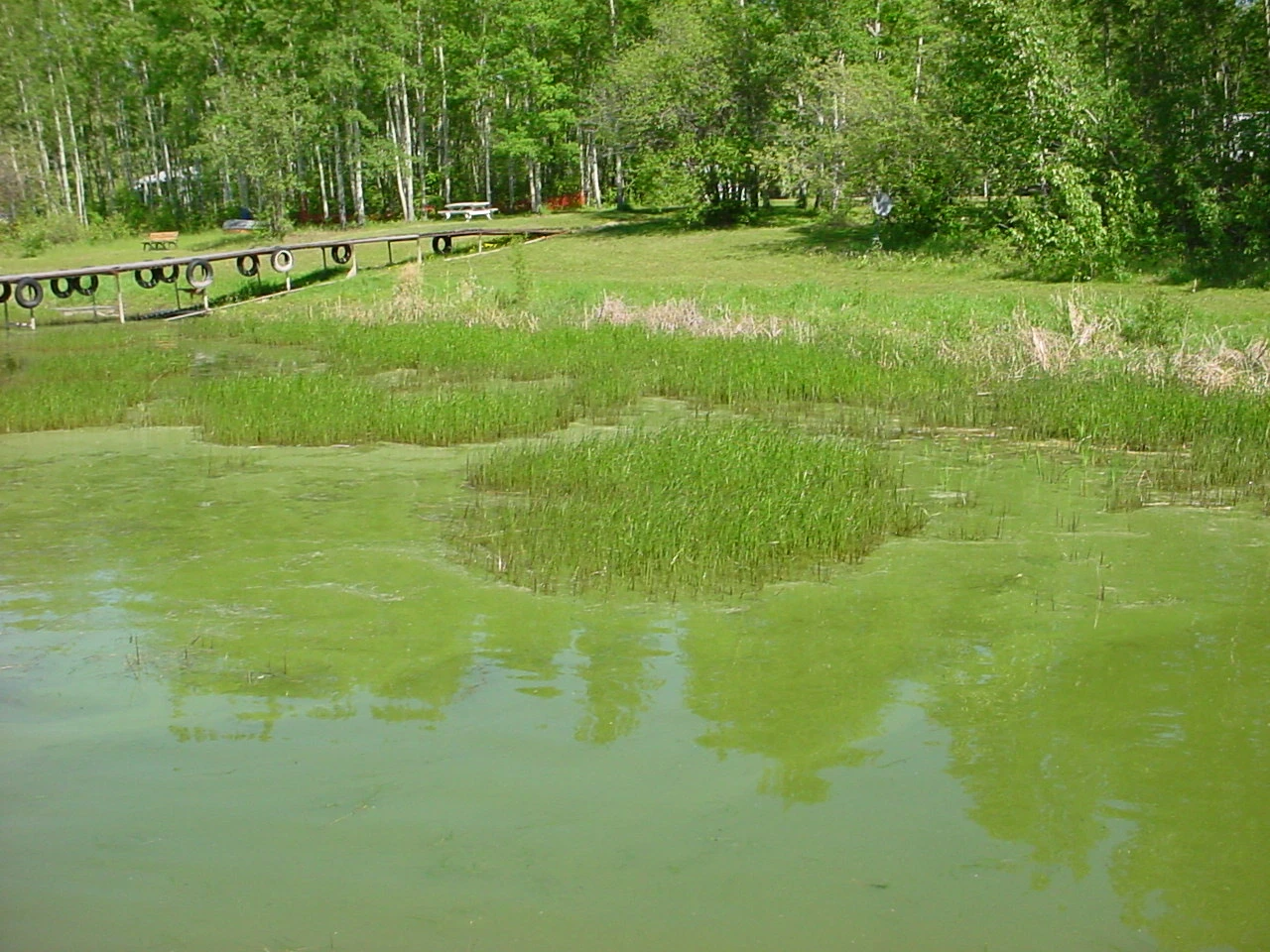
Green “pea soup” water is usually caused by planktonic algae. These microscopic algae suspend in the water column and can turn the pond thick green when nutrients and sunlight are high.
3. What is the stringy green algae floating in my pond?
Stringy green mats are usually filamentous algae, often called pond scum or hair algae. It commonly starts near the bottom and floats to the surface, especially when the muck layer is nutrient-rich.
4. Is blue-green algae dangerous?
Blue-green algae, also called cyanobacteria, is the algae concern pond owners should take seriously. It can produce toxins that may be harmful to people, pets, livestock, and wildlife.
5. Can algae hurt my fish?
Yes. The biggest risk often happens when algae dies off. As bacteria decompose dead algae, they consume dissolved oxygen, which can lead to oxygen crashes and fish gasping near the surface.
6. Why do fish die overnight during algae blooms?
Algae can create an oxygen problem at night or during die-off events. When oxygen drops too low, especially in hot weather, fish such as koi or trout may not have enough oxygen to survive.
7. Will algaecide fix my pond permanently?
Algaecide can help treat visible algae, but long-term control usually requires managing the root cause: excess nutrients, bottom muck, poor circulation, and low oxygen. A complete pond plan often includes aeration, bacteria, and nutrient management.
8. Why does algae keep coming back after I treat it?
Algae often returns when the pond still has the same nutrient problem feeding the bloom. If dead algae, fish waste, fertilizer runoff, or organic muck remain unmanaged, the pond can quickly regrow algae.
9. How does aeration help control algae?
Aeration improves water movement and helps protect against oxygen crashes. By supporting healthier oxygen levels and reducing stagnant conditions, aeration is an important part of long-term algae management.
10. What is the best way to manage algae in a Canadian pond?
The best approach is to treat algae as a water management issue, not just a surface problem. For Canadian ponds, that means combining the right algae treatment with aeration, beneficial bacteria, muck reduction, and nutrient control.
Need Help Choosing the Right Algae Solution?
Pond Pro helps Canadian pond owners manage algae with practical, biologist-led solutions built for our climate.
Speak to Our Team