WINTER IS COMING Prepare Your Pond, Dock & Waterfront for Canadian Winter

Lowest Prices in Canada!

4.8 Stars on Google!

Worry-Free Warranty!

Fast & Free Shipping!*

Ships from Canada Canadian warranty Expert phone support 30+ years combined experience
PREPARE BEFORE FREEZE-UP

Top De-Icers for Canadian Winters

Protect docks, boats, shorelines and ponds from costly ice damage.

KEEP WATER HEALTHY YEAR-ROUND

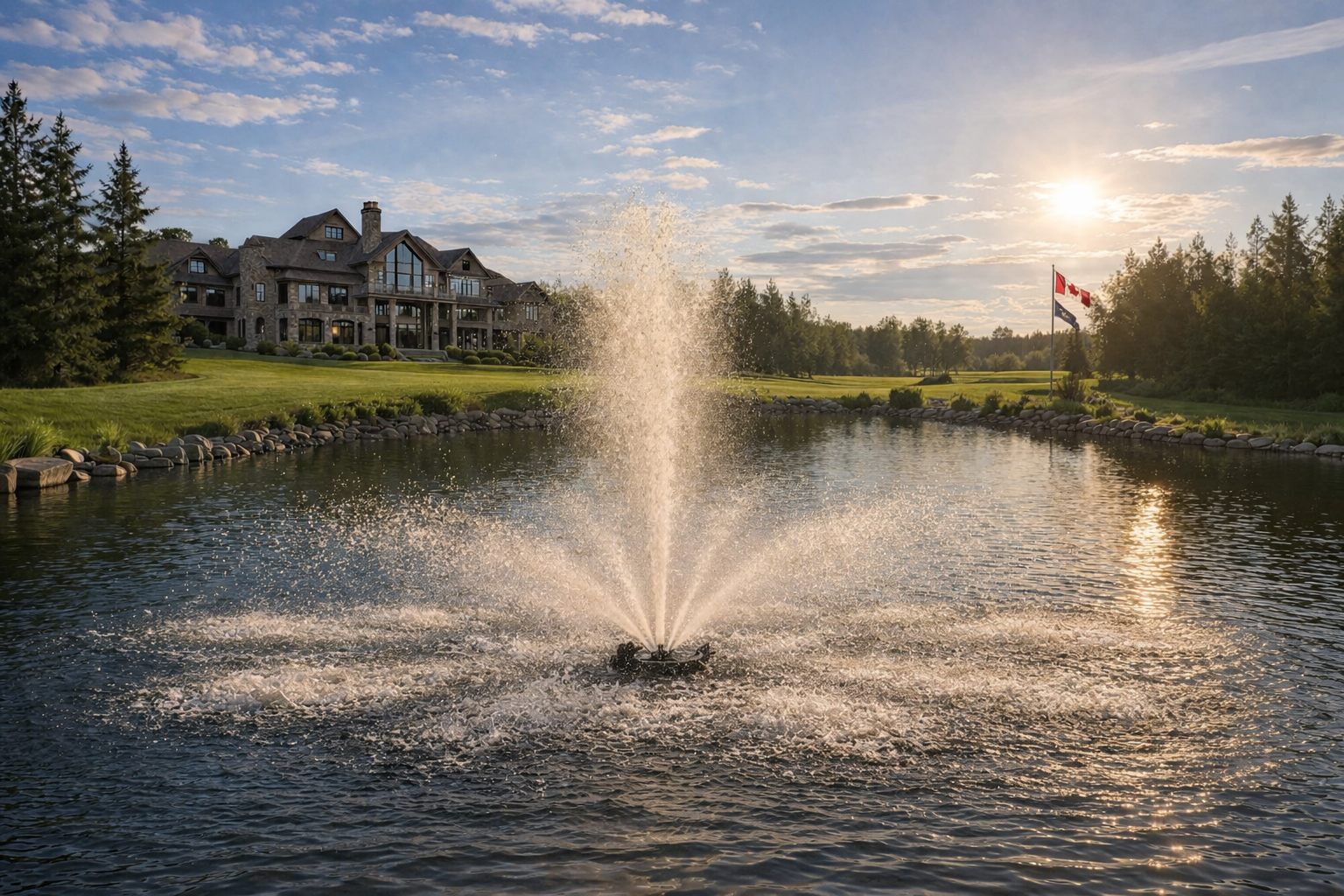
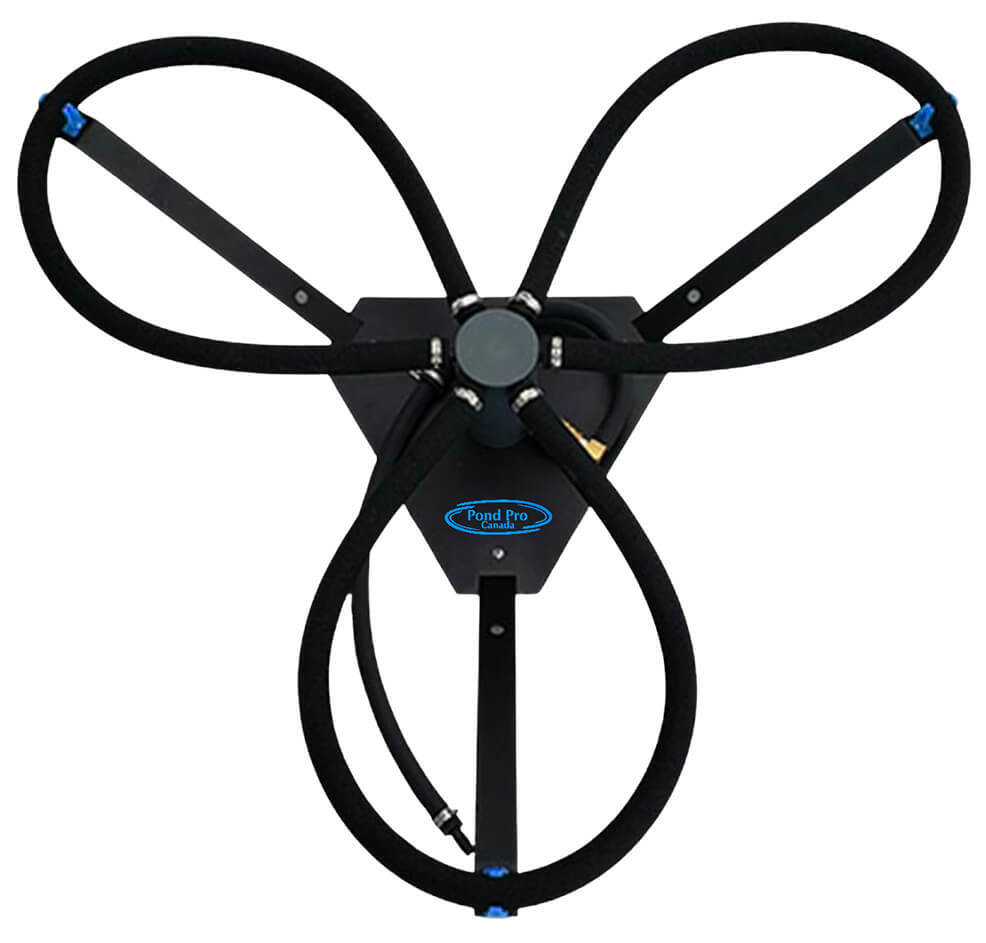
Fall & Winter Pond Aeration

Maintain oxygen, reduce stagnant water and support healthier ponds through the seasonal change.

COMMON WINTER QUESTIONS

De-Icing & Winter Aeration FAQs

Helpful answers for choosing, sizing and operating winter pond and waterfront equipment.

What is the difference between a pond de-icer and an aeration system?

A de-icer circulates warmer bottom water toward the surface to prevent or reduce ice formation around docks, boats, shorelines and other structures. An aeration system pushes air through underwater diffusers to improve oxygen levels, release trapped gases and support overall water quality. Aeration may create a small opening, but it is not a substitute for a properly sized de-icer when reliable ice control is the goal.

What size Kasco de-icer do I need?

The right size depends on water depth, local temperatures, wind exposure, the structure being protected and the amount of open water required. A 1/2 HP 2400D often suits smaller or sheltered areas, a 3/4 HP 3400D provides more circulation for medium applications, and a 1 HP 4400D is commonly selected for larger or more exposed Canadian waterfronts. For the safest recommendation, have Pond Pro confirm the horsepower, cord length and mounting method for your site.

How deep should a Kasco de-icer be installed?

De-icers generally perform best where there is enough depth to access warmer water below the surface. Approximately 4–6 feet of water is ideal, although some installations can work with at least 2.5–3 feet. Leave roughly 6–12 inches of clearance beneath the unit and keep it away from debris or the pond bottom. Mounting depth and angle should be adjusted for the area you need to protect.

Does a de-icer need to run continuously all winter?

Not every installation requires continuous operation. A compatible thermostat or timer can reduce unnecessary run time during milder conditions, while severe cold, wind and exposed sites may require longer operation. Check the opening regularly, follow the manufacturer’s instructions and never allow the de-icer to create more open water than your site safely requires.

Does pond aeration keep the water ice-free?

Not reliably. Aeration can sometimes maintain a small opening or slushy area, but its primary purpose is oxygenation and water circulation. If you need predictable ice control around a dock, boat lift, marina or shoreline structure, use a de-icer designed and sized for that purpose.

Should I run pond aeration during fall and winter?

Many ponds benefit from fall and winter aeration, particularly stocked ponds or waterbodies that remain covered by ice for long periods. Aeration helps maintain oxygen and release gases produced by decomposing organic matter. The correct diffuser location and airflow depend on the pond’s depth, shape and fish population, so small or shallow ponds should be reviewed before winter operation.

Where should I place an aeration diffuser in winter?

In smaller fish ponds, a diffuser is often moved away from the deepest winter refuge and placed in a shallower zone to support gas exchange without excessively mixing the entire water column. Larger ponds, dugouts and lakes may require a different layout. Pond Pro can recommend placement based on depth, pond shape, fish and the number of diffusers.

Do I need both a de-icer and an aeration system?

Many properties benefit from both because the systems solve different problems. Use a de-icer to protect docks, boats and waterfront structures from ice pressure, and use aeration to support oxygen levels, fish health and year-round water quality. One system should not automatically be expected to perform the other system’s job.

Still unsure what your pond or waterfront needs? Get help choosing the correct system, horsepower, cord length and placement.
ASK A POND PRO EXPERT

Top Sellers

Pond Products Always in stock in Canada

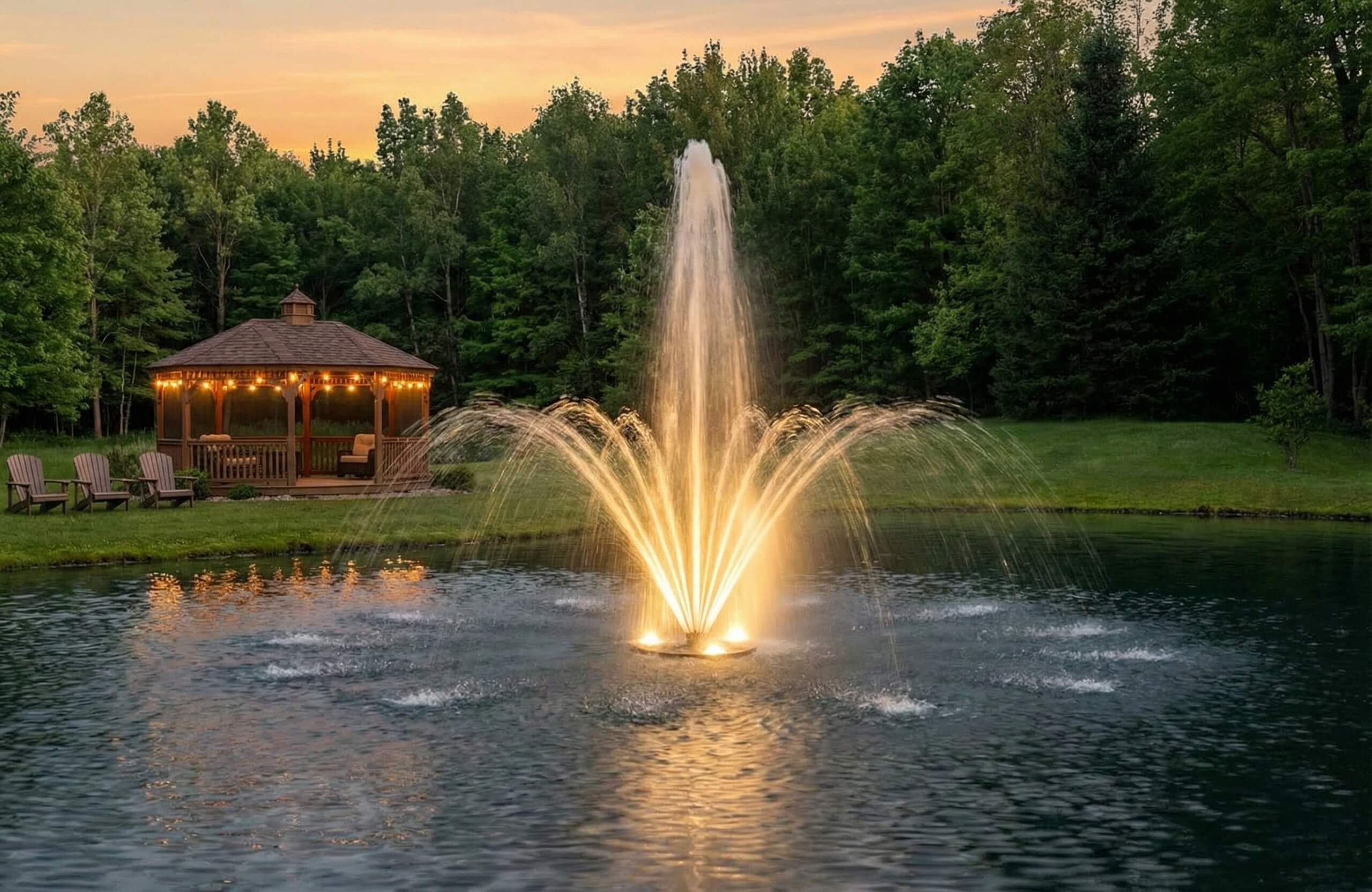
Floating Fountains for Canadian Ponds and Lakes

Biologist-Designed Atlas Series Fountains & Lighting

Algae & Canadian Ponds

Biologist-Led Solutions

Pond Treatment FAQ

Choosing the Right Care for Your Water Feature

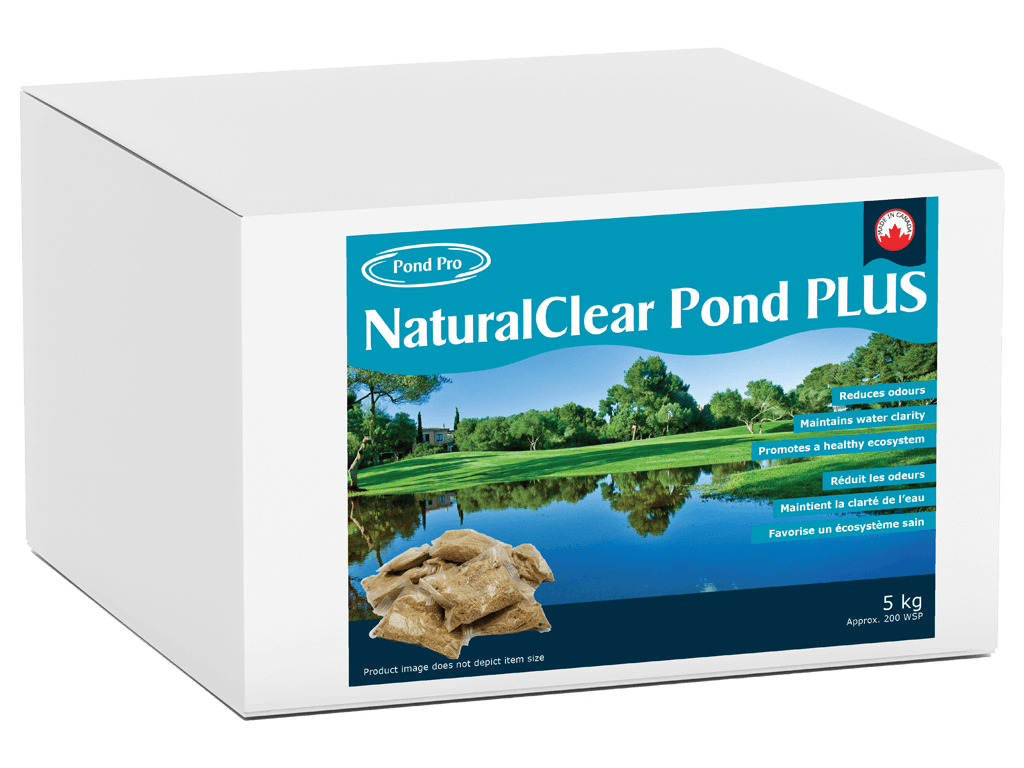
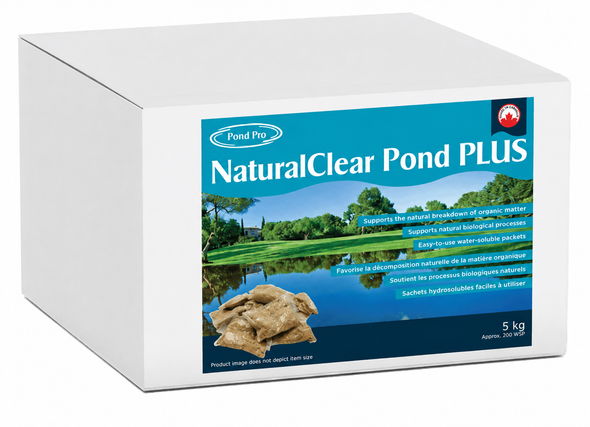
What is the fundamental difference between Muck Pellets and NaturalClear?
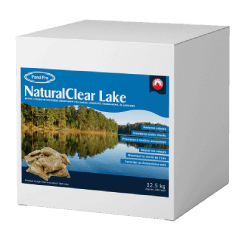
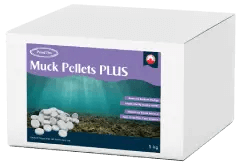
While both are beneficial bacterial products, they function differently. Muck Pellets are designed to sink to the bottom of the pond or lake, using a blend of bacteria and enzymes to kickstart the decomposition of sludge and muck from within. NaturalClear is a water clarifier in water-soluble packets that distribute bacteria evenly throughout the entire water column to clarify.
When should I choose Muck Pellets?
Muck Pellets are the go-to solution if your primary challenge is heavy muck and sludge accumulation on the pond bottom. They break down organic matter.
When should I choose NaturalClear?
NaturalClear is recommended if your biggest concerns are murky water or particles suspended in the water. It is ideal for reducing turbidity.
Can I use both products together?
Yes. In many cases, using both together provides the most comprehensive results. In this combined approach, Muck Pellets work from the bottom up to handle heavy sludge, while NaturalClear works throughout the entire water column to maintain clarity and biological balance.
Are these treatments safe for wildlife?
Yes, Muck Pellet blends and NaturalClear products are natural bacterial pond treatments and are designed for use in ponds with fish, plants, birds, and aquatic wildlife when used according to label directions.

Bestselling

New

Recent Posts