
Why Pond and Lake Water Often Turns Green During Summer Months
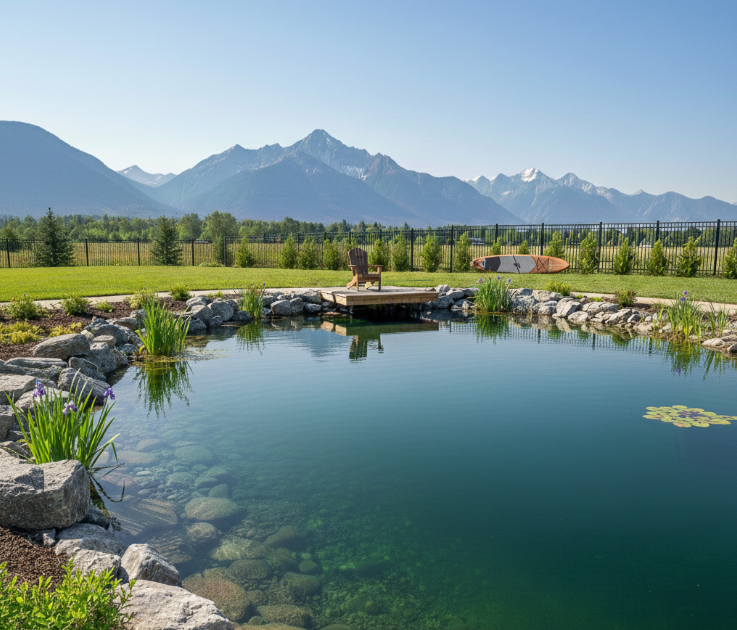
For many people who live near the water, the season can start off beautifully. The ice disappears, the shoreline opens up, and the lake may look clean and clear through spring.
Then the warm sun arrives.
As the weather gets warmer and the days get longer, that clear view can sometimes shift into cloudy green water. By mid-summer, the lake may start looking thick, murky, or almost like green soup. This can be frustrating for homeowners who want to swim, fish, relax by the shore, or simply enjoy the view.
It is common to assume algae is the reason for the colour change. In many situations, algae may be involved. However, green water can also be linked to cyanobacteria, often called blue-green algae. Although it may look similar to regular algae, cyanobacteria is different and can behave in a plant-like way when sunlight, warmth, and nutrients are available.
What Is Behind the Green Colour?
The green appearance usually comes from tiny organisms growing in the water. These organisms can multiply quickly when summer conditions support them.
Warm temperatures, bright sunlight, calm water, and available nutrients can all contribute to this seasonal change. Nutrients such as phosphorus and nitrogen may enter the lake from the surrounding land, and when they build up, they can help feed this growth.
When the right conditions come together, the water can change from clear to green in a noticeable way. What looks like a sudden problem is often the result of biological activity building over time.
Why It Often Happens Later in the Season
Spring water may look clear because temperatures are cooler and growth conditions are not as strong. As summer progresses, warmer water and more sunlight can encourage faster growth.
Still water may also make the issue more noticeable. When the surface is calm and the weather is hot, algae or cyanobacteria can become easier to see along shorelines, bays, and shallow areas.
This is why some lakes seem to follow the same pattern each year: clear in spring, then green as summer heat settles in.
Algae and Cyanobacteria Are Not Always the Same
Many people use the word algae to describe any green growth in the water. That makes sense visually, but not all green blooms are exactly the same.
Green algae and cyanobacteria can both change the colour of the water. Cyanobacteria, however, are technically bacteria. Some types can adjust their position in the water, which may help them find better light and nutrient conditions.
To a homeowner looking at the lake, both may appear green. In some cases, cyanobacteria may create a thicker surface layer or a blue-green, paint-like appearance.
The Role of Nutrients
Nutrients are one of the main reasons green water can develop. Phosphorus and nitrogen can act like food for algae and cyanobacteria.
These nutrients may come from the land around the lake. They may also come from material already in the lake, including bottom sediments. Under certain conditions, nutrients stored near the bottom may be released back into the water and continue supporting growth.
This can make green water concerns feel difficult to manage because the cause may not be limited to one source.
Why Summer Conditions Can Favour Cyanobacteria
During warm weather, lake water can form layers. The warmer upper layer may become more stable, especially during calm periods. These conditions can favour certain organisms, including cyanobacteria.
Some cyanobacteria can move within the water column, which may help them access sunlight and nutrients more effectively. When the water is warm, still, and nutrient-rich, these organisms may become more visible.
This is one reason green water can appear quickly once summer conditions line up.
Why Green Water Can Be More Than a Visual Concern
Green water is often viewed as an appearance issue, but it may also affect the lake environment.
When large amounts of algae or cyanobacteria begin breaking down, that process can use dissolved oxygen in the water. Lower oxygen levels may create stress for fish and other aquatic life.
Some forms of cyanobacteria may also have the potential to produce toxins, which is why unusual, dense, or recurring blooms should be taken seriously.
Looking Beyond the Surface
When a lake turns green in summer, it can be easy to focus only on what is visible. However, the colour change is usually connected to a combination of sunlight, heat, still water, and nutrients.
Understanding these contributing factors can help lakefront homeowners look at the issue more clearly. Instead of seeing green water as a random seasonal frustration, it may be helpful to view it as a response to the conditions in and around the lake.
The more you understand what may be contributing to the summer green-up, the easier it becomes to think about the lake as a living system rather than just a body of water that suddenly changed colour.
Recent Posts
-
How to Keep Koi Pond Water Clear | Koi Pond Care Canada
How to Keep Koi Pond Water Clear Clear koi pond water is one of the most common goals for backyard p …20th May 2026 -
Why Pond and Lake Water Often Turns Green During Summer Months
For many people who live near the water, the season can start off beautifully. The ice disappears, …15th May 2026 -
Pond Scum in Canadian Ponds: What It Is, Why It Happens, and How to Treat It
What Is Pond Scum? “Pond scum” can be a general term people use for the green, slimy, floating, or s …5th May 2026